







Search Results for: Coffee Sweetness Level

How Does Water Level in Pour-Over Coffee Shape Flavor: Explaining the Principles and Practical Points of a High-Sweetness Brewing Method
On various coffee-sharing platforms, the term "high water level" appears frequently, claiming that by controlling the water level height during brewing, coffee can be made to show a more prominent sweetness. Can the water level really dictate the flavor direction of a cup of coffee? This article will start from the coffee bed structure and extraction mechanism, analyze the respective advantages and applicable scenarios of high and low water levels, and give specific operational suggestions, including how high the coffee bed should be raised in the dripper, and how to reduce the difficulty of water control through pulse pouring and other practical techniques. It will also recommend Front Street series bean lists suitable for pursuing sweetness, helping you brew your ideal flavor with the right method. [more…]

Analyzing the Relationship Between Arabica Coffee Sweetness and Roast Level: Describing the Sweetness of Pour-Over Black Coffee and the Sweet, Sour, and Bitter Performance of Medium Roasts
Is coffee actually bitter, sour, or sweet? With the same pot of coffee, different people often taste completely different things. This article starts from the causes of sweetness in coffee cherries and sorts out how variety, altitude, processing method, and roast level affect the retention and transformation of sugars in coffee beans. It focuses on explaining why medium and medium-light roasts are more likely to present flavors in a sweet direction, and recommends specific beans such as Front Street Strawberry Candy, Front Street Blackberry, and Front Street Mozart. It also explains the difference between sweetness and the perception of sweetness, analyzes the "sweet aftertaste" of bitter coffee, the sweet-sour balance of sour coffee, and how orthonasal and retronasal olfaction participate in judging sweetness, helping coffee lovers describe the sweetness of hand-brewed black coffee more accurately. [more…]

Why can unsweetened black coffee taste sweet? Analyzing the factors that influence coffee sweetness and perceived sweetness
Many people, upon first hearing a barista say "this coffee is very sweet," will look utterly confused: there's clearly no sugar added, so where does the sweetness come from? In fact, when coffee people talk about "sweetness," they mean two dimensions—sweetness level and sweet perception. Sweetness level depends on variety, cultivation, processing method, and roast degree, while sweet perception is a comprehensive experience produced by aroma and taste working together. During roasting, a large amount of coffee's sugars have already been broken down and transformed, and the sweetness we perceive often needs to be amplified through aroma associations and taste contrasts. This article will break down, one by one, the factors affecting coffee's sweet expression, and offer practical suggestions for training yourself to capture sweet perception. [more…]

How to choose coffee beans with strong sweetness: pick flavors by roast level
To drink coffee with a more pronounced sweetness, roast level is a very practical starting point. Light roasts lean toward fruity, floral, and honeyed notes; medium roasts commonly show caramel, nutty, and ripe-fruit sweetness; medium-dark roasts are more like dark chocolate, roasted nuts, or syrup. Sweetness doesn't mean there's no acidity—rather, it's what lingers in the mouth both as you sip and after you swallow. [more…]
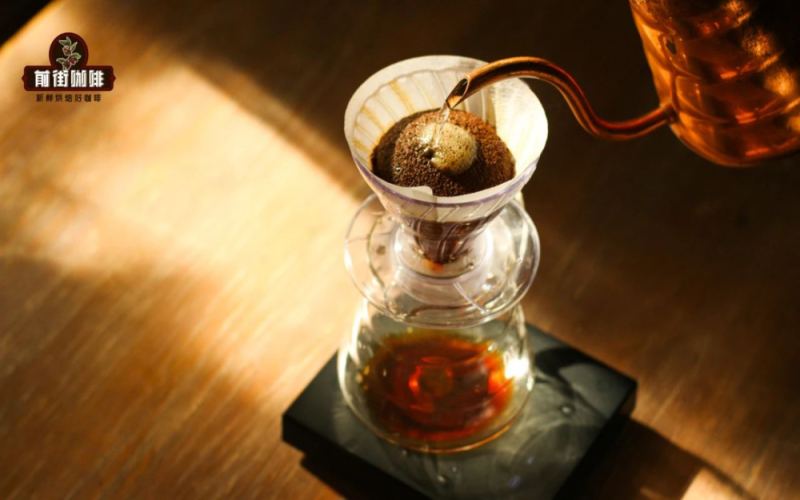
A Complete Guide to High-Sweetness Pour-Over Water Level Techniques: Staged Pouring Strategies and Recommended Sweet Arabica Beans
Want to brew a pour-over coffee with prominent sweetness and distinct layers? This article centers on the practical brewing technique of the "high-sweetness water level," explaining in detail its principles, applicable conditions, and key operating points, and clarifying why high-density light-roast beans are not suited to this method. It also shares Front Street Coffee's recommended floral and fruity Arabica single-origin beans and ideas for pairing them with a conical dripper, along with a complete three-pour parameter set and a hands-on demonstration, helping you achieve a richer coffee flavor experience with simple adjustments. [more…]
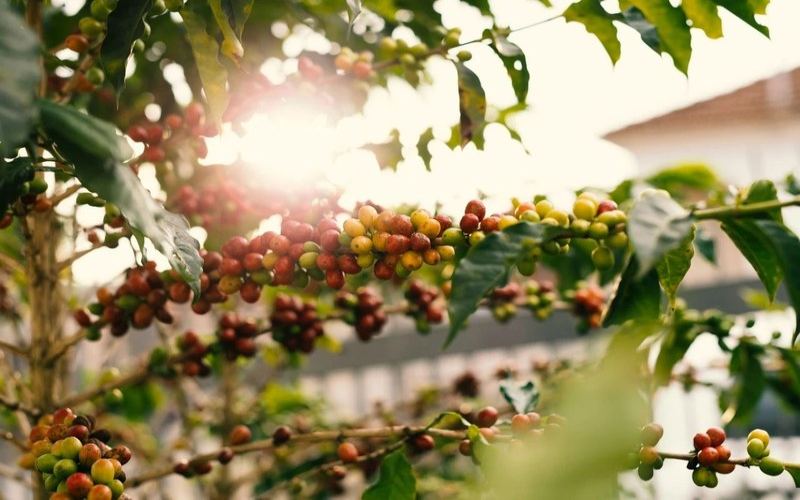
Noticeably sweet and rich in fruity aromas—choose pour-over beans by roast level
If you want to drink pour-over coffee with clear sweetness and a noticeable fruity aroma, the roast level is a very practical screening clue. Light roasts more easily retain floral, citrus, and berry notes, medium-light roasts bring fruity aromas and sugary sweetness closer together, and medium roasts add roundness and caramel associations. Based on whether you prefer a bright, soft, or full-bodied taste, [more…]
How Coffee Roast Levels Shape Flavor: A Complete Guide from Light Roast to Espresso Roast
Green coffee beans themselves have almost no flavor; only through roasting can they release rich aromas and flavors. Different roasting levels directly affect coffee's acidity, bitterness, sweetness, and aromatic expression. This article will systematically introduce the eight levels from extremely light roast to Italian roast, analyze the flavor characteristics and representative bean types corresponding to each roast level, and delve into how the four major flavor elements—sweetness, bitterness, acidity, and aroma—affect the quality of a cup of coffee, helping you find the roast level best suited to your personal taste preferences. [more…]
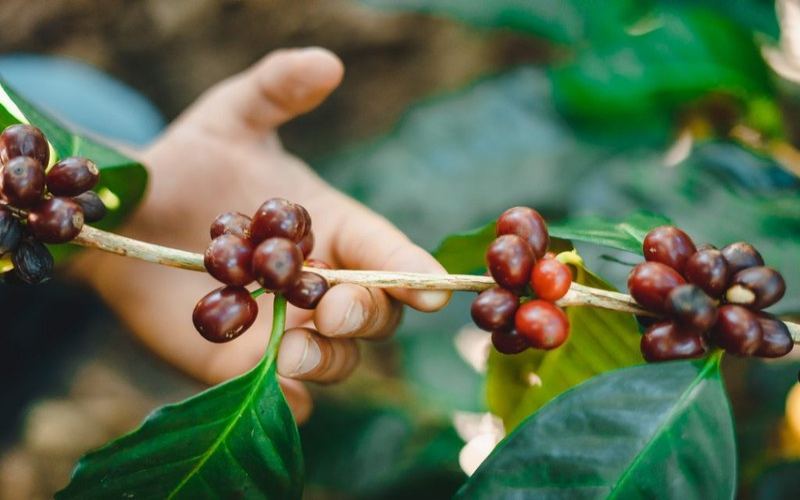
Coffee beans with strong sweetness: how to choose based on roast level
To find coffee beans with a pronounced sweetness, start by looking at the roast level, then decide which type of sweetness you prefer. Light roasts are more like fruit, floral nectar, and juice; medium roasts tend to show caramel, brown sugar, and ripe fruit notes; medium-dark roasts rely on cocoa, nuts, and roasty aromas to create a deep, weighty sweetness. Sweetness does not mean a sugary, syrup-like taste, but rather [more…]
Choosing pour-over beans by roast level: light roast for floral and fruity notes, medium roast for sweetness, dark roast for body
When choosing beans for pour-over coffee, you can start with the roast level. It affects the brightness of the aroma, the expression of acidity and sweetness, the weight of the mouthfeel, and the speed of reaction during brewing. Those who enjoy crisp fruity notes usually find light roasts more appealing; those who prefer rounded sweetness can look to medium roasts; and if you're used to cocoa, nuts, and a heavy mouthfeel, [more…]
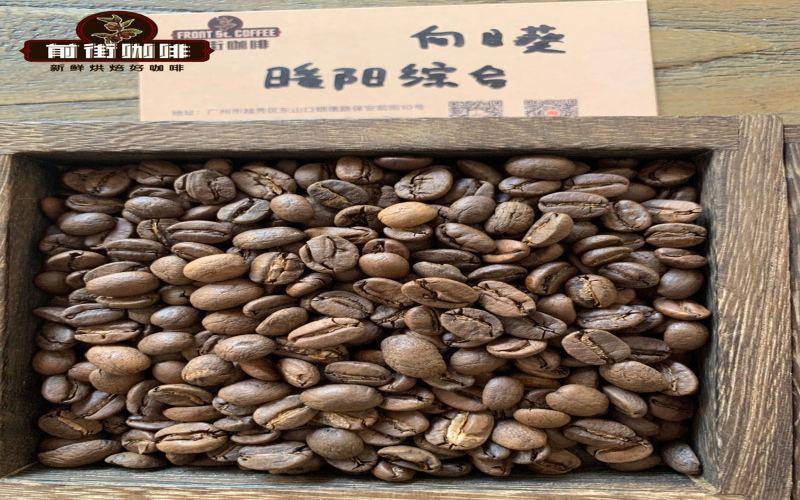
Roast level differences in light roasts: how to choose among three styles
Light-roast coffee beans are not a category with a fixed flavor profile. Even when they are all labeled "light roast," the cup may present bright floral notes, or the sweetness of ripe fruit, or even a tea-like character with citrusy acidity. To judge whether a bean suits you, you can first look at its specific roast level within the light-roast range, and then decide how to brew it. [more…]

Balanced Sweet and Sour Coffee Beans: How to Choose Roast Level
A balance of acidity and sweetness isn't exclusive to any single type of coffee bean, nor is it simply a matter of adding sourness and sweetness together. The roast level determines where the flavor emphasis lies: when beans are roasted light, fruity notes and a crisp, refreshing quality stand out more; at a medium roast, acidity, sweetness, and body blend together more easily; and as you go darker, caramel, cocoa, and nutty aromas gradually take over. [more…]
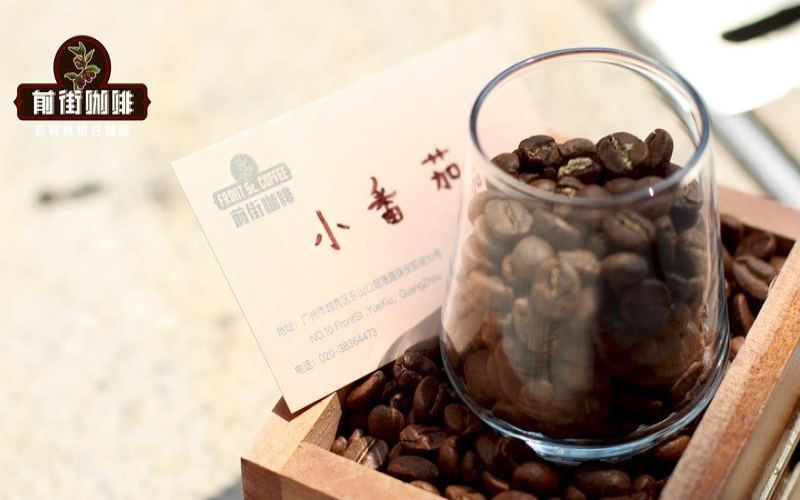
How to Choose Sun-Dried Coffee Beans by Roast Level
Natural (dry) processing makes coffee beans more likely to showcase ripe fruit, fruit jam, and fermented sweetness, but whether the final cup tastes bright or rich still depends on the roast level. A light roast leans toward floral notes and fruity acidity, making it suitable for pour-over and iced coffee; a medium roast is rounder, with a more balanced sweetness and body; a medium-dark roast has more pronounced caramel, cocoa, and a heavy [more…]

Choosing Yirgacheffe by Roast Level: From Floral and Fruity Brightness to Rich Sweetness for Beginners
The charm of Yirgacheffe often begins with floral notes, citrus, and a tea-like quality, but the same growing region can take on a completely different character at first sip depending on the roast. For those new to coffee, narrowing down your options by roast level first makes it easier to find a smooth starter cup than fixating solely on the region name. Pour-over black coffee emphasizes aroma, while milk [more…]
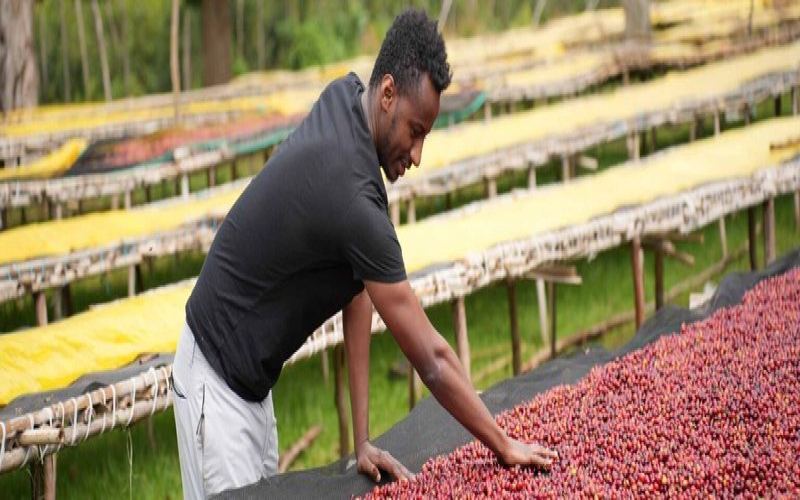
How to Choose SOE by Roast Level: From Bright Fruit to Rich Sweetness
If you want an espresso that expresses the character of its origin, SOE is a very direct choice. It doesn't rely on blending multiple beans to create a fixed flavor profile; instead, it lets the aroma of a single region and a single batch come through in the extraction. Selecting by roast level helps you find a better match among fruity acidity, floral notes, caramel sweetness, and body. SOE usually refers to [more…]
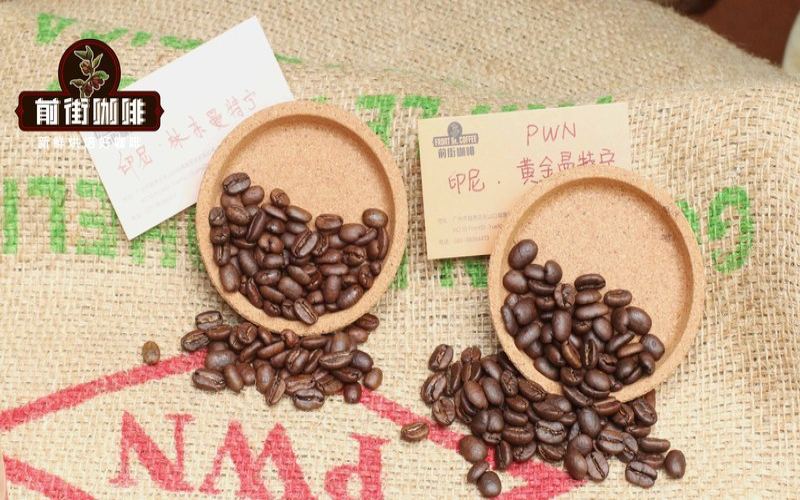
The Moka Pot's Rich Aroma Code: What Roast Level Determines
Coffee brewed in a moka pot has concentrated aroma and a full body, and the roast level of the beans directly shapes the character of the cup. If you want pronounced roasted and cocoa notes, or if you care more about gentle sweetness and a clean finish, start with the roast level first, then look at specific beans and brewing habits. Light-roasted beans usually retain [more…]
How to Choose a Yirgacheffe SOE: Looking at Floral-Fruity Aromas and Body by Roast Level
When Yirgacheffe is made into an SOE, it usually brings the regional characteristics straight into the espresso cup: citrus, floral, berry, and tea-like notes may appear in concentrated form, or they may be rearranged by the roast level. Here, SOE refers to espresso beans from a single origin or single region. To find the version that suits you, you can start by looking at the roast level. [more…]
Choosing SOE Beans by Roast Level: How to Drink Light, Medium, and Dark Roasts
SOE refers to single-origin coffee used for espresso extraction. The roast level of the beans directly affects the aroma, acidity, sweetness, body, and aftertaste of the shot. Light roast does not equal sour, medium roast is not just a compromise, and dark roast is not synonymous with bitter. With the same espresso machine, start by judging the texture you want in the cup based on roast direction, and your bean selection range will [more…]

Choosing hand-brewed beans based on roast level: balanced coffee recommendations that are neither sour nor bitter, with harmonious acidity and sweetness
In the scoring system of coffee cupping, "balance" is not merely the equal presence of acidity, sweetness, and bitterness, but rather a comprehensive expression in which acidity, sweetness, body, and aftertaste harmonize with one another without any single element stealing the show. To achieve this kind of taste, the roast level is key: light roasts tend toward acidity with weak body, dark roasts have heavy caramelization with pronounced bitterness, and only medium roasting makes it easiest to balance both ends. This article starts from the definition of balance and sorts through four medium-roast single-origin pour-over beans that are neither sour nor bitter, including Front Street Coffee's Queen's Estate Yellow Bourbon from Brazil, Costa Rica Tarrazú, Papua New Guinea Bird of Paradise, and the recently popular Front Street Coffee Strawberry Candy Blend, as a reference for pour-over enthusiasts at different stages. [more…]
Choosing Americano coffee beans with prominent sweetness by roast level
If you want a noticeably sweet Americano, the roast level of the coffee beans directly shifts the balance in the cup. Light roasts tend to show fruit, florals, and bright acidity, feeling crisp and lively in an iced Americano; medium roasts balance caramel, ripe fruit, and tea-like notes, going down smoothly whether hot or over ice; medium-dark or dark roasts bring cocoa, nuts, and a roasty sweetness. [more…]
Choosing the Roast Level for Espresso Beans: How to Drink Light, Medium, and Dark Roasts
The roast level of espresso beans determines whether the espresso tastes more like fruit, caramel, or dark chocolate. It also affects the body of the coffee liquid, its sweetness, and how it blends with milk. When choosing, you can first look at whether the package says light, medium, or dark roast, then consider whether you usually drink espresso, Americano, or latte, and the range will [more…]